
Multi-roaster coffee shops: What buyers & sellers need to know
- A multi-roaster café offers coffee from different roasters at any given time.
- Some always opt for coffee from a specific roaster to provide consistency, while also rotating through a guest coffee programme to offer variety.
- Selling limited-time beans from different national or even international roasters is an effective way to engage with customers, supporting the passion and curiosity-driven specialty coffee industry.
- However, both roasters and café operators must consider the unique challenges that this business model presents in order to avoid common pitfalls.
Multi-roaster cafés, which serve coffee from different roasters at any given time, are gaining popularity worldwide for several reasons.
For consumers, it’s a chance to try coffees from roasters that are usually out of their reach, facilitating connections across the supply chain.
Café operators, meanwhile, aren’t tied to a single supplier, offering them flexibility and allowing them to use limited-time coffees as a unique differentiator. For roasters, it’s more extensive brand exposure, increasing the potential for repeat and loyal customers.
However, there are also challenges to this business model. Coffee consistency can fluctuate, staff training is often more time-consuming, and coordinating delivery logistics can be complex. But there are many ways to overcome these hurdles, leading to a more dynamic coffee experience.
I spoke to Emmanuel Buschiazzo at La Claque Café to learn more about how buyers and sellers can manage multi-roaster partnerships.
You may also like our article on how coffee shops manage multiple plant milk options.

The rise of multi-roaster cafés
Single-roaster cafés, which only stock coffee from one roaster, are by far the most common type of coffee shop. This business model enables both roasters and café operators to establish long-term working relationships – a vital component of the specialty coffee industry.
But over the last decade or so, as roasters and cafés have reimagined buyer-seller partnerships, the multi-roaster coffee shop concept has emerged.
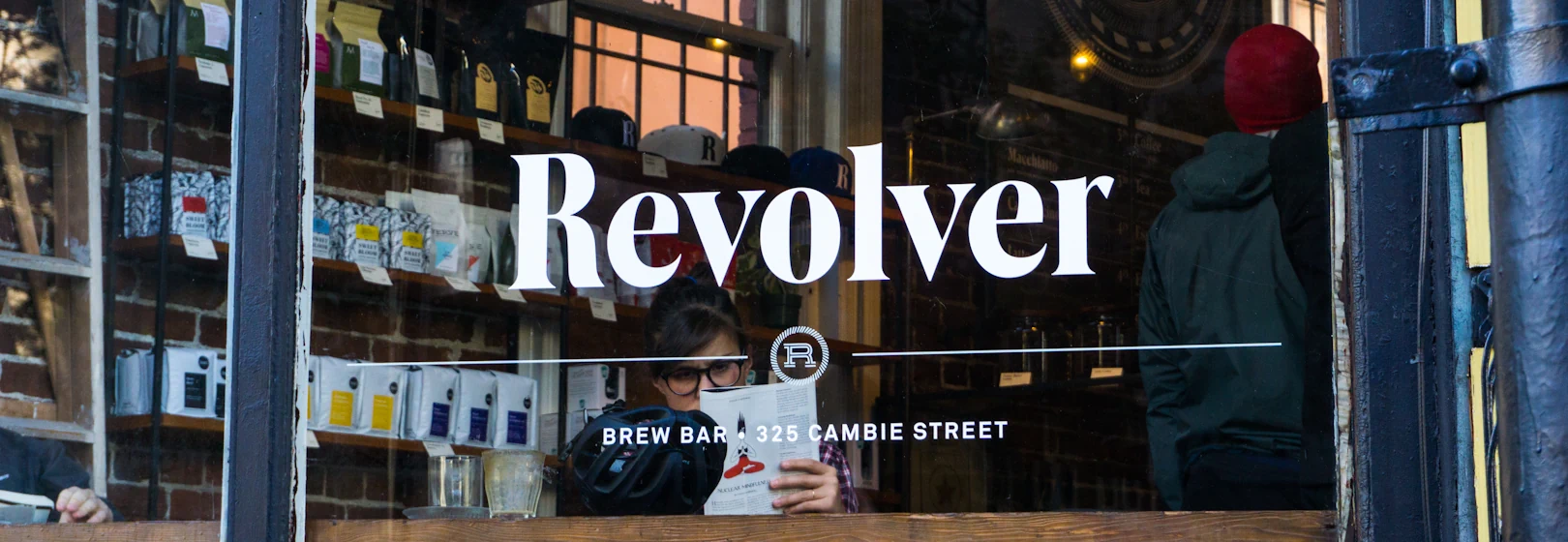
It’s a growing international trend. From Prufrock in the UK to Dayglow Coffee in the US, Revolver in Canada, Pinhole Coffee Bar in Singapore, and Espresso Embassy in Hungary, café operators are increasingly choosing to work with multiple roasters.
“I have operated a coffee catering service since 2015, and a coffee school since 2017. Our coffee shop opened in September 2023. Running it as a multi-roaster café was a no-brainer, and I could not imagine our first brick-and-mortar shop without a multi-roaster concept,” says Emmanuel, the CEO of La Claque in Nice, France. “‘Prendre une claque’, or ‘to take a slap’, is what you would say in French when you are pleasantly surprised by an unexpected experience, and that is exactly what we are about.
“Our mission is to help customers explore the limitless diversity that exists in specialty coffee. We know exactly when our customers get it – when they come back and ask, ‘What coffees do you have today?'”
There are various approaches to this business model. Some cafés buy coffee from different roasters at all times, prioritising variety to drive consumer interest. A café may switch between different roasters every two weeks, for instance, to build anticipation for the next featured roaster.
“Unless we start roasting ourselves, and that is the next project, there will never be a single roaster that we always serve,” Emmanuel says. “We could, for example, always have one of our two on-demand espresso grinders filled with the same blend from the same roaster. However, we decided to take it all the way and always change the entire range, including our retail coffee bags.”
In the hyper-competitive specialty coffee market, this is a unique differentiator, especially in countries and regions where it’s logistically harder to buy coffee direct-to-consumer from international roasters. Consumers then have much easier access to a diverse range of roasters, exposing them to different origins, roast profiles, and tasting notes.
Others, meanwhile, always choose to stock coffee from a particular roaster (especially for espresso), while also rotating through different “guest” roasters for filter and retail options. This approach generally offers more consistency in terms of flavour, while still providing customers with variety.
“There is one roaster, KB Coffee Roasters in Paris, that we often stock, because we’ve worked with them since our beginnings, we love their coffee, and when there are mishaps with orders and deliveries, their coffee awesomely fills the gaps,” Emmanuel tells me.
Supporting a passion-driven industry
Passion, curiosity, and experimentation are key motivators in specialty coffee, and multi-roaster cafés play a crucial role in driving these efforts.
For business owners and consumers alike, it’s a fun and rewarding opportunity to build connections and relationships within the international specialty coffee community.
Many café owners pride themselves on working with local and national roasters they admire and trust, showcasing some of the best coffees available in their respective countries or regions. For others, it’s an opportunity to stock beans from some of the world’s most prestigious roasters, helping them to establish and curate their own well-respected brand.
Customers, meanwhile, have access to a much wider range of roasters, including those from different countries. This introduces them to a diverse array of origins, roast profiles, flavour notes, processing methods, and varieties – a valuable opportunity for prosumers and enthusiasts who often want to expand their palates.
In some cases, customers can request that coffees from specific roasters be stocked, helping build brand loyalty for both roasters and cafés.
“We’re lucky to have enough customers who are after competition-level coffees that we can also confidently include them in our orders,” Emmanuel says. “This helps with building a name for ourselves as a recognised multi-roaster café, and many great roasters are now contacting us to get on our menu. It’s also a gratifying way to connect and interact with so many different talented coffee professionals.”
Roasters also experience a number of benefits. Multi-roaster cafés can provide smaller, newer brands with more exposure and help expand customer bases for roasters on a regional or global scale. With many roasters investing in their ecommerce channels and air freight for coffee becoming increasingly accessible, there’s potential to build an international consumer base.
Baristas reap the rewards, too. Working with coffees from different roasters and being exposed to a variety of roasting approaches will invariably lead to more passionate, informed, and skilled staff.
“It’s so much more fun to taste so many different beans, for our customers and for our team alike. It can get rapidly boring for a barista to serve the exact same coffee for weeks or months ahead,” Emmanuel says. “We all learn a lot from experiencing the global diversity and seasonal changes that coffee offers.”

But there are unique challenges to consider
Although it serves an important purpose in specialty coffee, the multi-roaster café model isn’t without its challenges.
“By far, the biggest challenge for our team is to manage the changing menu and the dialling in,” says Emmanuel. “From a more technical and coffee-centered perspective, roasters work with changing collections of beans, on different machines, with different signature profiles, and have different degassing strategies.”
Switching between roasters means baristas are constantly working with different coffees and roasting styles, meaning they don’t have a lot of time to become familiar with a particular roaster or coffee. This can make dialling in, especially for espresso, complex and time-consuming, even for more skilled staff.
As a result, coffee flavour and quality are likely to fluctuate more often. And given that consistency is one of the main factors that drives repeat custom, coffee shops – whether single or multi-roaster – can’t afford to overlook this.
Investing in excellent staff training programmes is then essential. Baristas in multi-roaster cafés need to have well-trained palates and be truly proficient at dialling in a wide range of coffees to maintain flavour and quality standards for all customers.
Additionally, it’s typically recommended to use one particular roaster for espresso at all times, allowing staff to become familiar with the coffees. This gives café operators freedom to rotate between different filter and retail offerings, while also providing better consistency for espresso and milk-based drinks.
When managing a multi-roaster programme, communication between buyers and sellers is crucial, but it can be challenging to manage. For coffee shops that stock three or more roasters simultaneously, navigating different orders, roast dates, and delivery times becomes increasingly complicated.
“The most obvious challenge is the increased time needed to manage orders, and start the same conversations over and over again with every roaster, and always to be the bearer of a first-time order,” Emmanuel explains. “So don’t expect any special treatment, although many roasters were excited to work with us and were very accommodating at times.
“Add to that the potential problems with deliveries and making sure you actually have coffee to serve every day!” he adds.
Therefore, establishing a consistent point of contact at both cafés and roasteries is critical. Both parties can accurately and effectively communicate their needs and capacities, potentially developing a closer, long-term working relationship – a goal that is often challenging to achieve with the multi-roaster business model.
Café operators also need to carefully manage stock, especially with limited-run coffees. Staff should have in-depth insight into how long they plan to carry certain roasters and coffees, as well as how quickly they anticipate using them, to maintain inventories, ensure coffee stays fresh, and minimise any waste.
Ultimately, regular check-ins will prove effective. Mapping out multi-roaster programmes every quarter, for example, allows staff to plan which coffees they will stock, how long for, when to request samples from previous partners, and when to contact new roasters.

Multi-roaster cafés help connect consumers with new roasters, serving a vital role in specialty coffee, but operators also face challenges unique to this business model.
With the right level of support, training, and management, multi-roaster coffee shops can overcome these logistical hurdles – supporting a more dynamic coffee market.
Enjoyed this? Then read our article on whether specialty coffee shops are overthinking the basics.
Perfect Daily Grind
Want to read more articles like this? Sign up for our newsletter!


