
Is ube a lasting flavour trend in coffee shops?
- Ube, a purple yam native to the Philippines, is known for its eye-catching colour and sweet, nutty, vanilla-like flavour.
- Its versatility and aesthetic appeal are driving global demand, with interest in ube-flavoured foods and beverages, including coffee, soaring.
- Given its popularity, ube has the potential to follow a trajectory similar to that of matcha, offering a lucrative opportunity for coffee shops.
- But café operators need to be mindful about using authentic ingredients and respecting Filipino culture, rather than reducing ube to a sales gimmick.
Although ube has been a staple ingredient in Filipino cuisine for generations, the purple root vegetable has recently proliferated across social media and café menus worldwide.
Ube was named the 2024 Flavour of the Year by major flavour and fragrance producer, T.Hasegawa, and bright purple drinks are now making even a bigger splash.
Datassential predicted that ube would outperform 88% of all other foods, beverages, and ingredients from 2024 through 2027, and that its presence would grow 48% on US menus alone.
As expected, ube has established itself as a customer favourite. According to Monin’s 2024 research, 67% of consumers said they were likely to purchase an ube-flavoured beverage or dessert.
To learn why ube is trending, and whether it will become a coffee shop menu staple, I spoke with Andre Chanco of Yardstick Coffee and Britt Berg at BIGFACE BRAND.
You may also like our article on whether matcha is losing its cultural identity.

First matcha – is ube next?
In the specialty coffee industry, beverage customisation has never been so popular. Predominantly, Gen Z is driving the trend. They want more than “just a drink”; they are looking for a full sensory experience of indulgent, inspired textures, flavours, and visuals. Plus, they want to steer the ship with their own creative expression.
This trend has given rise to colourful, sweet drinks that feature playful designs and ingredients such as cold foam, matcha, and drinking chocolate.
Matcha’s ubiquity across menus, even beyond coffee shops, was primarily driven by its visual appeal; its bright green colour is associated with wellness, sustainability, and luxury, making for eye-catching social media posts.
This has positioned aesthetics, viral trends, and algorithms as the main drivers of consumer purchasing decisions. Bringing the world to our fingertips, social media quickly built demand for unique global ingredients.
At the same time, young consumers are seeking “flavour escapism” with whimsical tastes and branding. Altogether, demand has soared for bold fusions of newfangled, authentic global flavours. Matcha emerged as the perfect vessel for this experimentation, and ube is following suit.
The matcha boom is driving interest in other non-coffee drinks with similar aesthetic appeal. The bright purple ube latte might be on track to dethrone matcha.

Why ube has become so popular
Ube is a purple yam – a starchy root vegetable native to the Philippines (not to be confused with purple sweet potato or taro) – whose name means “tuber” in Tagalog. It’s a staple ingredient in Filipino cooking because of its naturally sweet, slightly earthy, nutty, and vanilla-like flavour, making it well-suited to crowd-pleasing coffee shop beverages.
Without any added colours or flavours, ube looks and tastes great in iced and hot drinks. It’s arguably palatable to more customers than matcha and pairs well with a variety of add-ons, such as syrups and cold foam.
“When you put ube into drinks, it makes this really beautiful hue that people obviously love to share and take photos of, so it’s a mix of both utility and aesthetic,” says Britt, the COO of BIGFACE BRAND, a specialty coffee company founded by NBA star Jimmy Butler.
“People are also looking for coffee alternatives that are both nutritious and rich in flavour,” Britt says.
Ube checks both boxes: it’s a natural source of potassium, vitamin C, antioxidants including anthocyanins (which not only give ube its vibrant hue, but may help reduce blood pressure, blood sugar, and inflammation), and prebiotic fibre. Ingredients that promote gut and skin health are especially popular among younger generations seeking beauty-enhancing foods.
Southeast Asian foods and beverages are also trending in global café culture. One factor is that younger consumers in traditionally tea-drinking cultures across Asia are drinking more coffee.
“Ube’s popularity signals that consumers are ready for more Southeast Asian flavours. This creates room for cafés to innovate while differentiating their menu,” says Andre, the co-founder of Filipino specialty coffee roaster Yardstick Coffee. “If you look at places like Bangkok or Shanghai, we are also seeing a lot of localisation of flavours being incorporated in their coffee menus.”
Western coffee culture is taking inspiration from popular ingredients in Asian countries. From black sesame to miso to persimmon, North American and European coffee shops have embraced these foods and flavours as staples rather than niche diets or trends.
“Ube stands out visually and feels fresh to those markets,” Andre says. “For café operators, it’s also a smart way to add variety without straying too far from familiar flavour profiles. Its earthy notes match with some coffee origins.”

Coffee shops are embracing ube, but will it last?
Ube’s long track record in Asian food and beverage cultures shows that it’s a worthwhile investment for coffee shops. Needless to say, many specialty coffee shops are making ube a more permanent fixture on their menus.
“It has become a reliable seasonal or limited-time item that drives traffic, an increase in average checks, and social engagement,” Andre says.
Ube first became Instagram-famous around 2016; one of the first viral trends was Manila Social Club’s ube doughnuts in New York City. Ube then made its way to cafés in the US by 2020, and in Australia and Europe more recently. Coffee chain Pret A Manger also launched an Ube Brûlée iced latte in the US and Europe in May 2025.
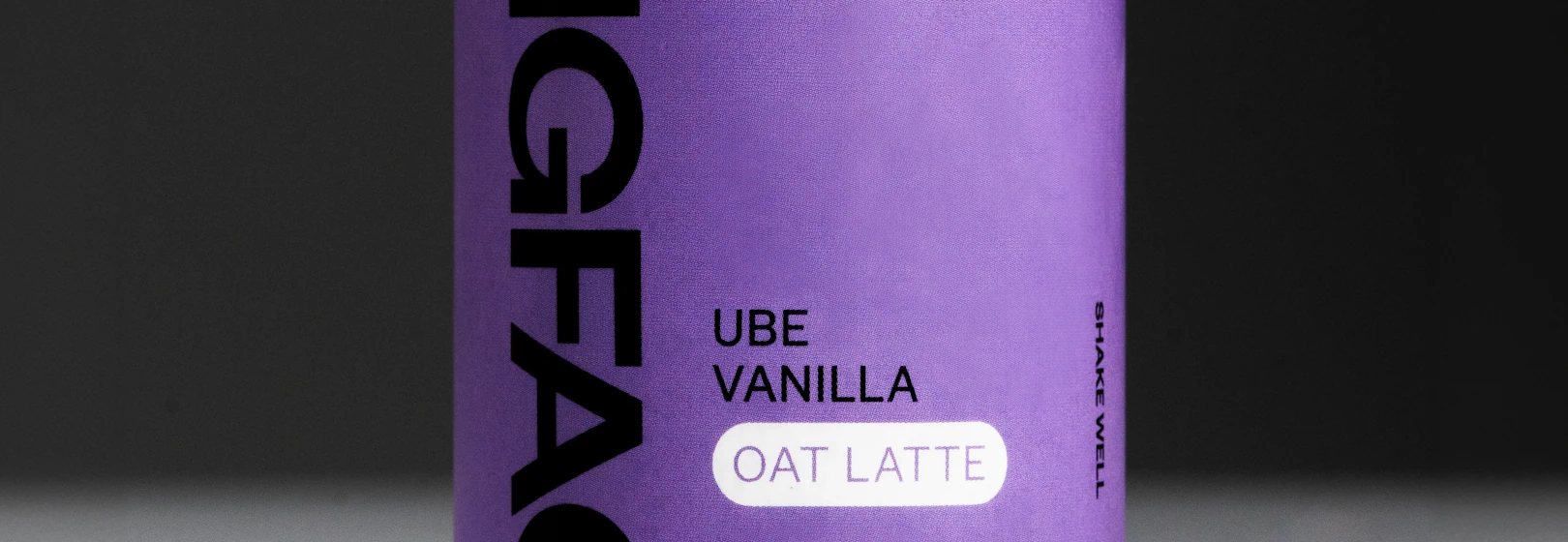
In summer 2024, BIGFACE BRAND moved to stand out in the saturated ready-to-drink (RTD) coffee market and launched a canned ube vanilla latte. Compared to the brand’s other original oat and coconut cinnamon RTD lattes, Britt says the ube vanilla is the most popular flavour.
Ube’s great marketing power heeds respect to its roots. Café operators need to be mindful about using authentic ingredients and respecting Filipino culture, rather than reducing ube to a sales gimmick.
“It’s not just a colour or trend; it’s an ingredient with heritage that supports Filipino farmers,” Andre explains. “That story is part of its value proposition. Personally, for me, it’s a snack I grew up enjoying when I was a kid.”
Ube is a heritage that has persisted in the Philippines through generations, with a sustainable flow of demand and production.
“The challenge is sourcing consistency and avoiding product fatigue if everyone jumps on it. Similar to what’s happening to matcha at the moment,” Andre says, referring to the matcha shortage caused by unsustainable demand pressure on Japanese producers.
In fact, high demand contributed to ube shortages for some suppliers back in 2020.

The specialty coffee industry – which prides itself on responsible supply chains – can uphold its values while sourcing and serving ube. As it becomes cemented on coffee shop menus, ube creates endless opportunities to celebrate Filipino culture.
“There’s still opportunity within the market for people to learn about ube,” Britt concludes. “I don’t think it’s going anywhere anytime soon – just like matcha or turmeric or any of those have become staples on menus.”
Enjoyed this? Then read our article on whether matcha has become the new espresso.
Photo credits: Yardstick Coffee, BIGFACE BRAND
Perfect Daily Grind
Want to read more articles like this? Sign up for our newsletter!
Mel is a freelance writer based in Los Angeles zeroed in on coffee and agriculture. She aims to amplify the voices of farmers and a diversity of perspectives. She has an M.S. from U.C. Davis in International Agricultural Development and a B.A. from Occidental College in Biology.


